Cooking a wet surface instead of searing it
The setup controls the result. Take another minute to make the workspace stable and predictable.
Preparing the next step…
quick guide · 4 steps
Dial in jammy, medium, or firm centers with a visual timing chart.
The outcome
This guide is designed to be used while you work. Each photograph shows a distinct stage, safety notes appear before the risk, and your progress is saved on this device.
At every stage, compare alignment and position—not just the finished appearance.
Before you begin
The walkthrough
Open any image for detailed zoom. Mark steps complete as you go.
Read the full sequence before beginning. Confirm that the method matches your exact model, material, or working conditions.
Gather everything within reach, protect the surrounding area, and remove anything that could interfere with safe, controlled work.
Work deliberately and use the visual reference to check position, alignment, and the small details that make the result reliable.
Slow is smooth, and smooth is fast. If something resists unexpectedly, stop and inspect rather than forcing it.
Pause before closing anything up. Look for uneven movement, leaks, loose fasteners, unexpected heat, or other signs that need correction.
Clean the work area, restore normal operation, and test the result once more under ordinary conditions.
Avoid the re-do
The setup controls the result. Take another minute to make the workspace stable and predictable.
More force or more material rarely solves poor alignment. Reset and use a controlled technique.
A deliberate final check catches small problems while they are still easy to correct.
Tutorial complete
Complete 5 more steps to finish this guide.
Before you go
Yes. This guide is paced for a beginner, but stop whenever a step differs from the photographs or your manufacturer’s instructions.
Use the final verification step and never ignore movement, leaks, excessive heat, unusual noise, or a fastener that will not seat normally.
Pause and find the exact manual or specification. The sequence can still help, but model-specific safety information always takes priority.
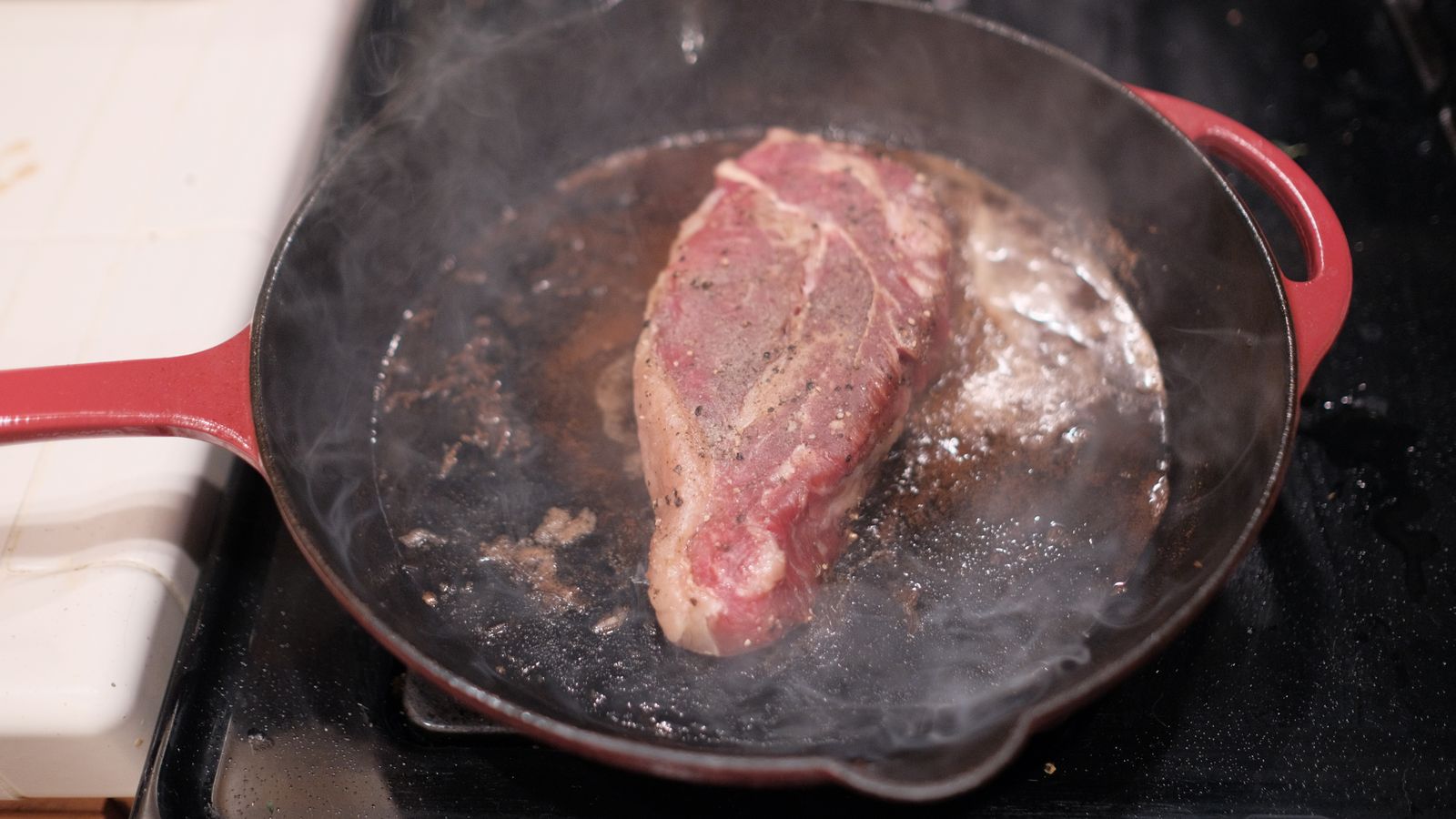
Control surface moisture, pan heat, basting, doneness, and resting.
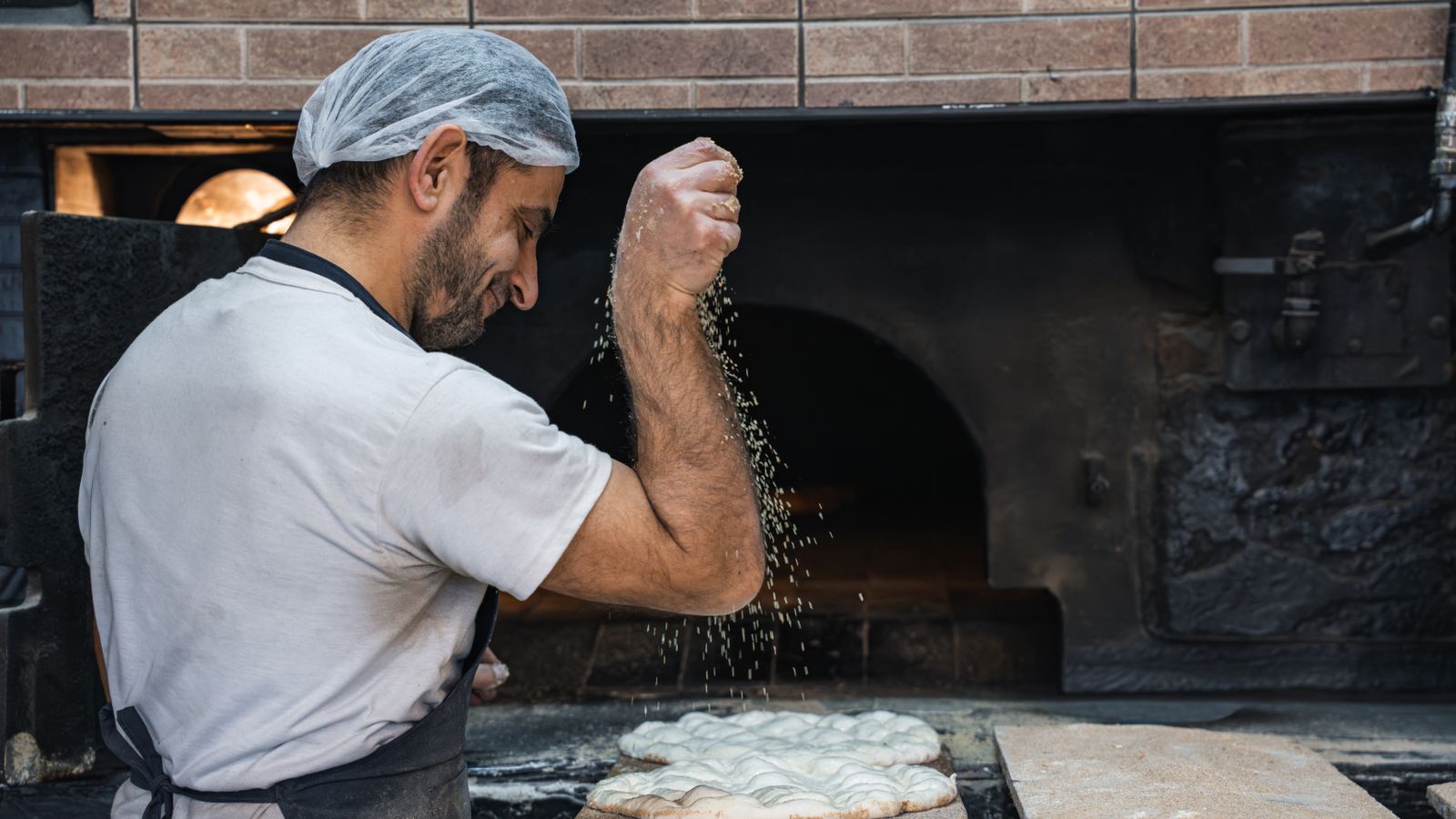
Read the dough from first mix through fermentation, shaping, and bake.
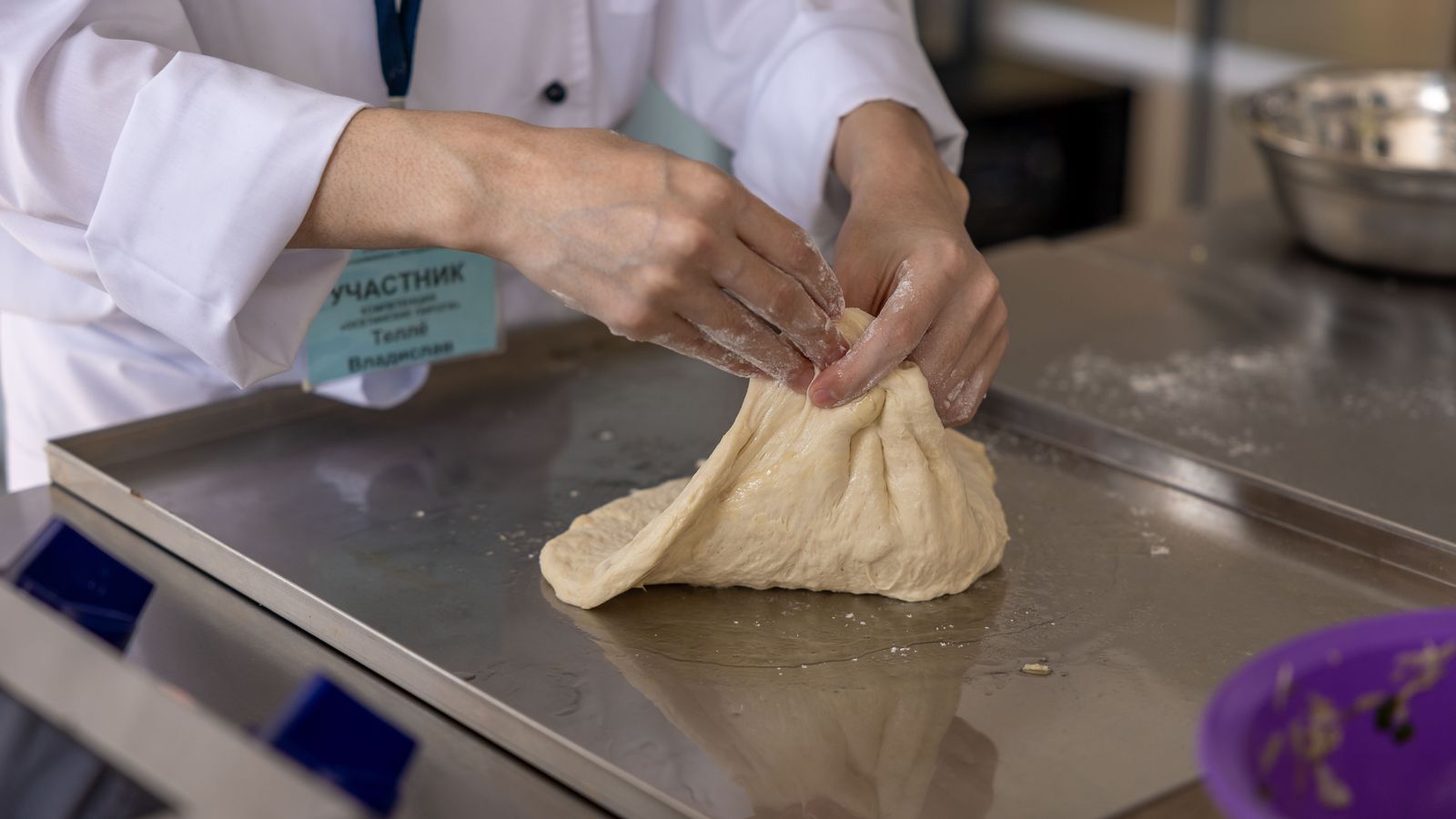
A crisp, airy dough with a simple stretch-and-fold fermentation.